

WHAT IS HACCP?

HACCP.CO.ID is a Vocational and Professional training division of PT. Indonesia Cruise Service is a Vocational Training Institution for Hospitality and Tourism recognized by the Government of the Republic of Indonesia – Ministry of Manpower with Permit No. 0604240020869000
HACCP is one of the food safety management systems that is useful and used to control and prevent the risks of danger that may arise due to various things such as: food processing, use of machines/work tools and workers involved. We already know that Indonesia is one of the largest food producers in the world. This drives a high risk of food safety in Indonesia in particular, so that food safety issues are currently an important highlight that must be considered. All of this has been proven by the many cases of food poisoning that have occurred in the community. HACCP (Hazard Analysis and Critical Control Point) is a food safety system that must be applied in every industry or food product management service. Because HACCP has been proven to reduce the risk of food accidents that can occur. This system is used both domestically and internationally.
HACCP Training Objectives:
Identifying and controlling hazards:
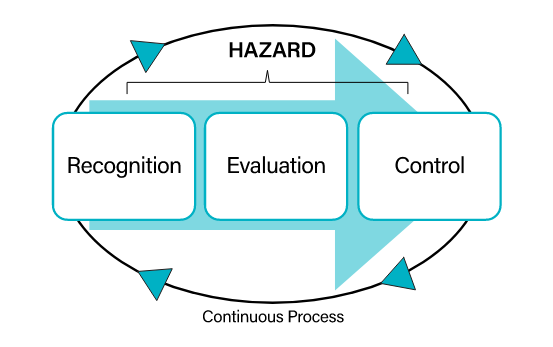
This training helps participants identify potential hazards in the food production process, such as physical, chemical, and biological hazards, and control these hazards through critical points.
Improving food safety:
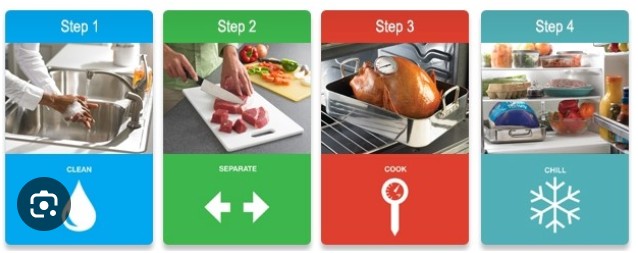
By implementing the HACCP system, the food industry can improve product safety and prevent food-borne poisoning or illness
Meeting food safety requirements:
This training also helps the food industry meet food safety requirements set by the government or certification body.
Developing a HACCP plan:
This training provides participants with the knowledge and skills to develop an effective HACCP plan that meets the needs of the food industry.
Applying HACCP principles:
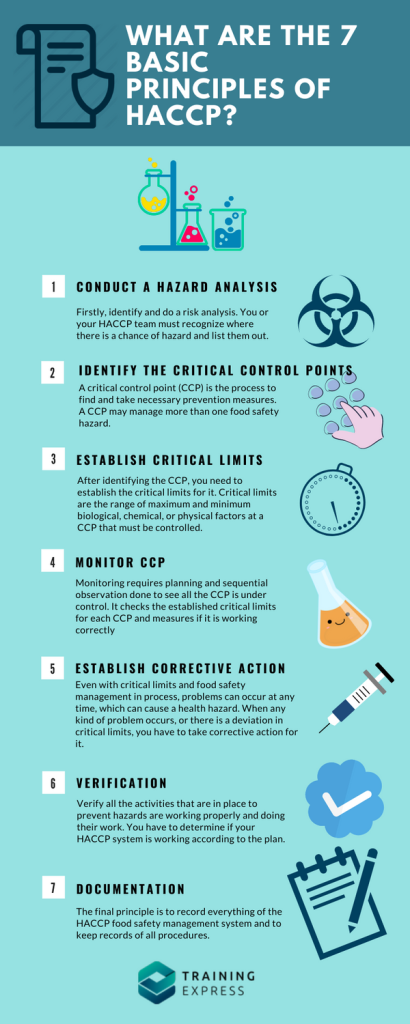
This training teaches HACCP principles, such as hazard analysis, identifying critical points, setting critical limits, monitoring procedures, corrective actions, verification, and documentation.